
Chronic Constipation Treatment in Bhopal is important for individuals who regularly experience difficulty passing stools, infrequent bowel movements, hard stools or a persistent feeling of incomplete bowel evacuation. Constipation is a common digestive problem, but when it continues for several weeks or months, it can affect daily activities, appetite, comfort and overall quality of life. Understanding its underlying causes is essential for choosing appropriate treatment.
Chronic constipation is not simply about having fewer bowel movements. Some people experience excessive straining, abdominal bloating, discomfort or difficulty emptying their bowels despite visiting the toilet regularly. These problems may develop because of inadequate dietary fibre, insufficient water intake, medication side effects, hormonal conditions or disorders affecting intestinal movement. People searching for Constipation Care in Bhopal should understand that persistent symptoms require proper medical evaluation rather than repeated self-medication.
Jainamshree Multispeciality Hospital is a modern, NABH-accredited healthcare centre in Bhopal. The hospital provides comprehensive medical and surgical services across multiple specialities, supported by experienced doctors, modern diagnostic facilities and patient-focused care. Dr. Saransh Jain, Director and Consultant Gastroenterologist at Jainamshree Multispeciality Hospital, holds MD and DM (Gastro) qualifications from AIIMS Delhi. After gaining more than six years of experience at AIIMS, New Delhi, he envisioned establishing a centre of excellence in Gastroenterology, Hepatology and Endoscopy in Madhya Pradesh. This article explains the common causes, symptoms, diagnosis, treatment options and preventive measures associated with chronic constipation.
What Is Chronic Constipation Treatment in Bhopal?
Chronic constipation is a digestive condition characterised by persistent difficulty with bowel movements. It may involve passing stools fewer than three times a week, hard or dry stools, excessive straining or a sensation that the bowel has not emptied completely.
Occasional constipation can occur because of temporary dietary changes, travel, dehydration or changes in daily routines. However, when symptoms continue regularly, they may indicate an underlying digestive or medical condition.
A person experiencing chronic constipation may have one or more of the following problems:
- Fewer than three bowel movements per week.
- Hard, dry or lumpy stools.
- Excessive straining during bowel movements.
- A feeling of incomplete bowel evacuation.
- A sensation of blockage during stool passage.
- Abdominal bloating or discomfort.
- Difficulty passing stools without additional effort.
Some people experience constipation because stool moves slowly through the colon. Others may have difficulty coordinating the muscles responsible for bowel evacuation. An experienced Gastroenterologist in Bhopal can evaluate these symptoms and determine whether they are associated with functional constipation, medication effects or another medical condition.
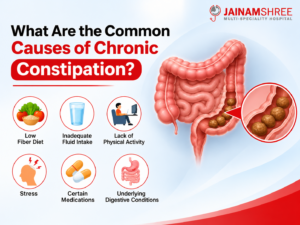
What Are the Common Causes of Chronic Constipation?
Chronic constipation can develop because of several lifestyle, dietary, medical and functional factors. Identifying the underlying cause helps doctors recommend appropriate treatment.
1. Insufficient Dietary Fibre
Fibre plays an important role in maintaining normal bowel movements. It adds bulk to stools and helps support regular bowel function.
A diet containing insufficient fruits, vegetables, whole grains and pulses may contribute to constipation. Regular consumption of highly processed and low-fibre foods can also affect stool consistency.
2. Inadequate Water Intake
Not drinking enough fluids may contribute to hard and dry stools. Adequate hydration supports normal stool consistency and digestive function.
People with certain kidney or heart conditions may have fluid restrictions and should follow their doctor’s advice regarding water intake.
3. Lack of Physical Activity
A sedentary lifestyle may affect bowel regularity. People who spend long periods sitting or have limited physical movement may experience constipation.
Walking and appropriate physical activity can help support normal digestive function.
4. Ignoring the Urge to Pass Stool
Repeatedly delaying bowel movements may interfere with normal bowel habits. Over time, some individuals may become less responsive to the natural urge to pass stools.
Developing a consistent toilet routine can help support regular bowel movements.
5. Medication Side Effects
Certain medicines can contribute to constipation. These include:
- Opioid pain medications.
- Some antidepressants.
- Anticholinergic medicines.
- Certain calcium channel blockers.
- Iron supplements.
- Calcium supplements.
If constipation develops after starting a new medicine, discuss the symptoms with your doctor. Never discontinue prescribed medicines without medical advice.
6. Hormonal and Metabolic Disorders
Certain medical conditions can affect intestinal movement and bowel function. These include hypothyroidism, diabetes and elevated calcium levels.
Managing the underlying condition may help improve bowel regularity.
7. Irritable Bowel Syndrome
Irritable bowel syndrome (IBS) is a digestive condition that may cause abdominal pain, bloating and changes in bowel habits. Some people experience constipation-predominant IBS, commonly called IBS-C.
8. Pelvic Floor Dysfunction
Pelvic floor muscles help coordinate bowel movements. When these muscles do not relax properly during defecation, passing stools can become difficult.
This condition may require specialised investigations and pelvic floor biofeedback therapy.
9. Age-Related Changes
Older adults may experience constipation because of reduced physical activity, changes in dietary habits, medication use and underlying medical conditions.
10. Intestinal or Structural Problems
Certain intestinal conditions, including narrowing of the bowel, rectal prolapse and other structural abnormalities, may interfere with normal stool passage.
A proper medical assessment helps identify the possible reasons behind persistent bowel difficulties.
What Are the Symptoms of Chronic Constipation?
Recognising the early warning signs of constipation can help individuals seek timely medical attention.
Common Constipation Causes and Symptoms may vary according to the underlying condition, bowel movement pattern and overall health.
1. Infrequent Bowel Movements
Passing stools fewer than three times a week may indicate constipation, particularly when accompanied by hard stools or straining.
2. Hard and Dry Stools
Stools may become hard, dry or lumpy, making bowel movements uncomfortable or painful.
3. Excessive Straining
Repeatedly applying pressure during bowel movements is a common symptom. Persistent straining may also contribute to haemorrhoids and anal fissures.
4. Abdominal Bloating
Some individuals experience abdominal fullness, tightness or swelling because of retained stool and gas.
5. Incomplete Bowel Emptying
A person may feel that some stool remains inside the rectum even after passing a bowel movement.
6. Abdominal Discomfort
Constipation may cause cramping, mild pain or discomfort, particularly when bowel movements become less frequent.
7. Difficulty Passing Stool
Some people experience a sensation of blockage or require additional effort to empty their bowels.
These symptoms may occur together or separately. Severe abdominal pain, vomiting, marked abdominal swelling or an inability to pass gas requires urgent medical assessment.
How Is Chronic Constipation Diagnosed?
Diagnosis involves understanding the patient’s bowel habits, medical history, lifestyle and possible underlying conditions.
During an evaluation for Chronic Constipation Treatment in Bhopal, the doctor may recommend different investigations depending on the duration, severity and associated symptoms.
1. Medical History and Symptom Assessment
The doctor may ask questions about:
- Frequency of bowel movements.
- Stool consistency.
- Duration of symptoms.
- Dietary and fluid intake.
- Physical activity.
- Current medicines and supplements.
- Previous abdominal surgeries.
- Family history of digestive diseases.
Keeping a record of bowel movements can help explain the pattern of symptoms.
2. Physical Examination
A physical examination may include checking the abdomen for tenderness, swelling or masses.
In selected cases, a rectal examination may be recommended to assess muscle coordination, rectal masses or stool impaction.
3. Blood Investigations
Blood tests may be recommended when an underlying medical condition is suspected.
Depending on the patient’s symptoms, investigations may include:
- Complete Blood Count (CBC).
- Thyroid Function Tests.
- Blood Glucose.
- Serum Calcium.
- Other relevant biochemical tests.
4. Colonoscopy
Colonoscopy allows the doctor to examine the inner lining of the large intestine using a flexible camera.
It may be recommended when warning signs such as rectal bleeding, unexplained weight loss, anaemia, significant changes in bowel habits or relevant family history are present.
It is not routinely required for every patient with constipation.
5. Anorectal Manometry
This investigation measures pressure and muscle coordination in the rectum and anal canal. It may help identify pelvic floor coordination problems.
6. Balloon Expulsion Test
This test evaluates whether a person can properly expel a small balloon placed in the rectum. It may be performed alongside anorectal manometry.
7. Defecography
Defecography is an imaging investigation used in selected patients to evaluate stool evacuation and identify structural or functional abnormalities.
8. Additional Imaging
Abdominal imaging may be recommended when the doctor suspects intestinal obstruction or another structural problem.
Not every patient requires all these investigations. The diagnostic plan depends on individual symptoms and clinical findings.
What Are the Treatment Options for Chronic Constipation?
Treatment depends on the underlying cause, symptom severity, bowel habits and response to previous management.
Most patients can be managed through dietary modifications, appropriate hydration, physical activity and medicines when required.
1. Increasing Dietary Fibre
Fibre-rich foods may improve stool consistency and bowel regularity.
Useful food choices include:
- Papaya.
- Guava.
- Pears.
- Apples.
- Oats.
- Whole grains.
- Green vegetables.
- Lentils and beans.
- Seeds and other fibre-containing foods.
Fibre intake should generally be increased gradually to reduce gas and bloating. People with suspected intestinal obstruction should seek medical advice before increasing fibre.
2. Maintaining Adequate Hydration
Drinking sufficient water and other suitable fluids may help prevent stools from becoming excessively hard.
Fluid requirements vary according to age, activity, climate and individual medical conditions.
3. Regular Physical Activity
Walking, gentle exercise and other appropriate physical activities may support bowel regularity.
Patients with mobility limitations or other medical conditions should follow an activity plan recommended by their healthcare professional.
4. Establishing a Regular Toilet Routine
Trying to pass stools at a consistent time, especially after meals, may help develop regular bowel habits.
Responding to the natural urge to pass stool rather than repeatedly delaying it is also important.
5. Fibre Supplements
Bulk-forming fibre supplements such as psyllium may be recommended when dietary fibre intake is insufficient.
These supplements increase stool bulk and can help improve stool consistency. They should be taken according to medical advice and with appropriate fluid intake.
6. Osmotic Laxatives
Osmotic laxatives help draw water into the intestine, making stools softer and easier to pass.
Polyethylene glycol (PEG) is one commonly used option. Lactulose may also be recommended in selected cases.
7. Stimulant Laxatives
Medicines such as bisacodyl may be used as rescue or second-line treatment when appropriate.
The choice and duration of treatment should be determined according to the patient’s symptoms and medical condition.
8. Stool Softeners
Certain medicines help soften stools and may be considered in selected patients when hard stools make bowel movements difficult.
9. Biofeedback Therapy
Patients with pelvic floor dysfunction may benefit from specialised biofeedback therapy.
This approach helps individuals learn to coordinate the muscles involved in stool evacuation. It is particularly useful when investigations confirm a defecatory disorder.
10. Prescription Medicines
When standard treatments do not provide adequate relief, selected patients may require prescription medicines that improve intestinal secretion or bowel movement.
The choice depends on the type of constipation, associated conditions and previous treatment response.
11. Treatment of Underlying Medical Conditions
If constipation is caused by hypothyroidism, diabetes, medication effects or another medical condition, managing that condition is an important part of treatment.
12. Surgical Treatment in Selected Cases
Surgery is rarely required for chronic constipation. It may be considered only in carefully selected patients with confirmed severe slow-transit constipation after appropriate testing and failure of suitable non-surgical treatments.
What Complications Can Develop Due to Long-Term Constipation?
Persistent constipation may affect daily comfort and sometimes lead to complications, especially when stools become hard or accumulate in the rectum.
1. Haemorrhoids
Repeated straining can increase pressure around the anal region and contribute to swollen veins known as haemorrhoids.
2. Anal Fissures
Passing hard stools may cause small tears in the lining of the anus, resulting in pain and bleeding.
3. Faecal Impaction
When a large amount of hard stool becomes trapped in the rectum, it may lead to faecal impaction.
This condition may require medical treatment, including prescribed laxatives, suppositories or enemas.
4. Rectal Prolapse
Long-term straining may contribute to pelvic floor problems and can be associated with rectal prolapse in some individuals.
5. Reduced Quality of Life
Ongoing abdominal discomfort, bloating and unpredictable bowel movements may affect sleep, work and everyday activities.
How Can Chronic Constipation Be Prevented?
Lifestyle habits play an important role in maintaining normal bowel function. Although not all causes can be prevented, certain measures may reduce the risk of recurring symptoms.
1. Eat Fibre-Rich Foods
Include fruits, vegetables, pulses, whole grains and other fibre-containing foods in your daily diet.
2. Drink Enough Water
Maintain appropriate fluid intake throughout the day according to your individual health requirements.
3. Stay Physically Active
Regular walking and exercise can support digestive health and help maintain normal bowel habits.
4. Avoid Delaying Bowel Movements
Respond to the urge to pass stool instead of repeatedly postponing it.
5. Maintain a Regular Routine
Allow sufficient time for bowel movements and avoid unnecessary straining.
6. Review Your Medicines
Discuss possible medication-related constipation with your doctor, especially if symptoms begin after starting a new medicine.
7. Maintain a Balanced Diet
Limit excessive intake of highly processed, low-fibre foods and follow a balanced eating pattern.
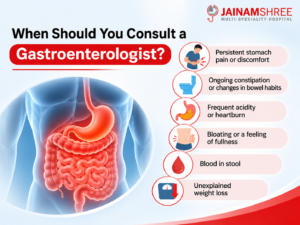
When Should You Consult a Gastroenterologist?
Occasional constipation may improve with dietary and lifestyle changes. However, persistent or recurring symptoms should be evaluated to identify the underlying cause.
You should seek medical advice if you experience:
- Constipation that does not improve with basic measures.
- Regular abdominal bloating.
- Persistent difficulty passing stools.
- Blood in the stool or rectal bleeding.
- Unexplained weight loss.
- Persistent abdominal discomfort.
- A sudden change in normal bowel habits.
- Repeated episodes of faecal impaction.
Severe abdominal pain, vomiting, marked abdominal swelling or an inability to pass stool and gas requires urgent medical attention.
Consulting a Chronic Constipation Specialist in Bhopal can help identify whether the problem is related to dietary habits, intestinal movement, medication or pelvic floor function.
Chronic Constipation Treatment in Bhopal at Jainamshree Multispeciality Hospital
Jainamshree Multispeciality Hospital is a modern, NABH-accredited healthcare centre providing medical and surgical services across multiple specialities. It combines modern medical technology, specialist expertise and a patient-centred approach. For patients seeking Chronic Constipation Treatment in Bhopal, the hospital offers medical gastroenterology services and diagnostic facilities that support the evaluation of digestive disorders.
Dr. Saransh Jain – Director and Consultant Gastroenterologist
Dr. Saransh Jain is the Director and Consultant Gastroenterologist at Jainamshree Multispeciality Hospital. He holds MD and DM (Gastro) qualifications from AIIMS Delhi. After serving at AIIMS, New Delhi, for more than six years, he envisioned establishing a centre of excellence in Gastroenterology, Hepatology and Endoscopy in Madhya Pradesh.
His professional focus includes bringing advanced gastrointestinal services, modern diagnostic facilities and minimally invasive treatment approaches closer to patients. Patients looking for a Gastroenterologist in Bhopal can explore the hospital’s gastroenterology facilities for evaluation of persistent digestive complaints.
Gastroenterology and Diagnostic Services
The hospital provides several clinical and diagnostic services, including:
Medical Gastroenterology: Evaluation and management of digestive system disorders.
Surgical Gastroenterology: Surgical assessment and treatment of selected gastrointestinal conditions.
Hepatology: Medical care related to liver diseases and disorders.
Endoscopy: Examination of the digestive tract using specialised flexible instruments.
Colonoscopy: Examination of the large intestine to investigate selected bowel-related symptoms and conditions.
ERCP: A specialised procedure used to diagnose and manage selected bile duct and pancreatic duct disorders.
Fibroscan: A non-invasive investigation used to assess liver stiffness and estimate liver fibrosis.
Manometry: A diagnostic investigation used to assess pressure and muscle function in selected parts of the digestive tract.
pH-Metry: A test used to evaluate acid reflux in selected patients.
These facilities support the hospital’s role as a Gastroenterology Hospital in Bhopal for patients seeking evaluation and management of digestive health concerns.
Why Choose Jainamshree Multispeciality Hospital?
Jainamshree Multispeciality Hospital offers a combination of specialist consultations, diagnostic facilities and medical services under one roof.
Important hospital features include:
- NABH-accredited healthcare centre.
- More than 20 medical departments.
- More than 20 specialist doctors.
- 24/7 emergency care.
- More than 25,000 happy patients, as stated on the hospital website.
- More than 20 years of excellence, as stated on the hospital website.
- Medical and surgical gastroenterology services.
- Modern diagnostic and endoscopic facilities.
- Multispeciality medical support under one roof.
As a Multispeciality Hospital in Bhopal, the centre also provides services across General Medicine, General Surgery, Cardiology, Gynaecology, Orthopaedics, Urology, Neurology, Nephrology, Oncology and other specialities. Its diagnostic services include ultrasound, X-ray, pathology, colour Doppler, 2D Echo, ECG, Fibroscan, manometry and pH-metry.
The hospital also provides pharmacy, ambulance services, physiotherapy and nutrition support. Patients looking for Digestive Health Treatment in Bhopal can explore the hospital’s medical gastroenterology and diagnostic services.
Frequently Asked Questions (FAQs) – Multispeciality Hospital in Bhopal
1. What is chronic constipation, and how long does it last?
Chronic constipation is a persistent bowel condition involving infrequent bowel movements, hard stools, straining or incomplete evacuation. It generally refers to symptoms continuing for several weeks or months. Medical assessment helps identify the cause and determine suitable management.
2. What are the most common Constipation Causes and Symptoms?
Common causes include insufficient fibre intake, dehydration, physical inactivity, medication side effects and certain medical conditions. Symptoms may include hard stools, abdominal bloating, excessive straining, infrequent bowel movements and incomplete evacuation.
3. When should I seek Constipation Care in Bhopal?
You should seek medical evaluation when constipation continues despite lifestyle changes, regularly returns or affects your daily routine. Rectal bleeding, unexplained weight loss, persistent abdominal pain or sudden changes in bowel habits require particular attention.
4. Which doctor should I consult for chronic constipation?
A gastroenterologist can evaluate persistent constipation, identify digestive problems and recommend appropriate investigations and treatment. A specialist may also refer patients for additional testing when pelvic floor dysfunction or another condition is suspected.
5. Can chronic constipation be treated without surgery?
Yes. Most patients are managed without surgery through dietary changes, fibre supplements, appropriate laxatives, hydration, physical activity and other medical treatments. Surgery is considered only in carefully selected cases after detailed evaluation.
6. Which foods help improve bowel movements?
Fibre-rich foods such as papaya, guava, pears, apples, oats, whole grains, vegetables and pulses may help improve stool consistency. Fibre intake should be increased gradually, with appropriate fluid intake.
7. Is chronic constipation a sign of a serious disease?
Not always. However, persistent constipation can sometimes be associated with endocrine disorders, intestinal narrowing or other medical conditions. Warning signs such as blood in the stool, anaemia and unexplained weight loss require medical investigation.
8. What tests are used for chronic constipation diagnosis?
Depending on the symptoms, doctors may recommend blood tests, abdominal examination, colonoscopy, anorectal manometry, balloon expulsion testing or defecography. Not every patient requires all these investigations.
9. Can medicines cause chronic constipation?
Yes. Opioid painkillers, certain antidepressants, anticholinergic medicines, iron supplements and calcium supplements may contribute to constipation. Discuss suspected side effects with your doctor before changing any prescribed medicine.
10. Where can I find a Gastroenterologist in Bhopal for persistent constipation?
Jainamshree Multispeciality Hospital provides medical gastroenterology and diagnostic services. Dr. Saransh Jain is the hospital’s Director and Consultant Gastroenterologist. Patients can explore the hospital’s facilities for appropriate medical evaluation.
11. Does drinking water help relieve constipation?
Adequate fluid intake supports normal stool consistency, particularly when dietary fibre intake is increased. However, drinking more water alone may not resolve constipation caused by medication, pelvic floor dysfunction or other medical conditions.
12. Can chronic constipation cause haemorrhoids?
Repeated straining and passing hard stools can increase pressure around the anal region and contribute to haemorrhoids. Managing constipation and avoiding excessive straining may help reduce this risk.
Conclusion- Multispeciality Hospital in Bhopal
Chronic constipation is a common digestive problem that can develop due to insufficient dietary fibre, dehydration, lack of physical activity, medication side effects, hormonal disorders and pelvic floor dysfunction.Although occasional constipation may improve with simple lifestyle changes, persistent symptoms require proper medical evaluation. Diagnosis may involve medical history, physical examination, blood tests and specialised investigations depending on the patient’s condition.
Chronic Constipation Treatment in Bhopal may involve dietary modifications, adequate hydration, physical activity and appropriate medicines. Selected patients may benefit from biofeedback therapy or other specialised treatment approaches.People experiencing persistent bowel difficulties should avoid depending on repeated self-medication. Timely consultation can help identify the cause, guide appropriate treatment and reduce the risk of complications.
Jainamshree Multispeciality Hospital provides medical gastroenterology, surgical gastroenterology and diagnostic services under one roof. Patients can explore its facilities and consult the appropriate specialist for individualised medical evaluation.