
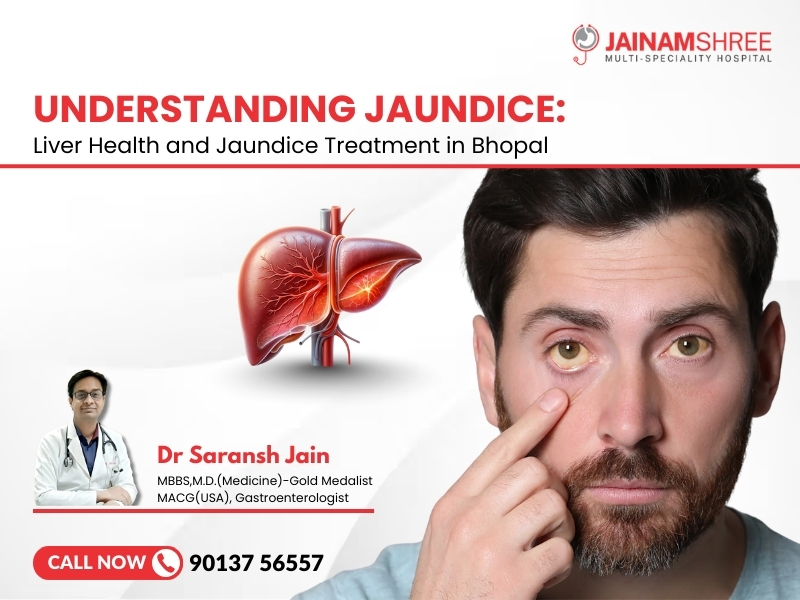
When someone notices yellowing of the eyes or skin, it can be worrying. This condition, known as jaundice, is not a disease by itself but a clear sign that something inside the body—most commonly the liver—is not working properly. For many patients, confusion, fear, and delay in care make the situation worse.
Understanding jaundice in simple terms helps patients take the right steps at the right time. Early evaluation and timely jaundice treatment in Bhopal can prevent complications and protect long-term liver health. This guide explains jaundice clearly, without complex medical language, so even a young child could understand the basics.
What is Jaundice?
Jaundice happens when a yellow substance called bilirubin builds up in the blood. Bilirubin is formed when old red blood cells break down. A healthy liver removes it from the body through bile.
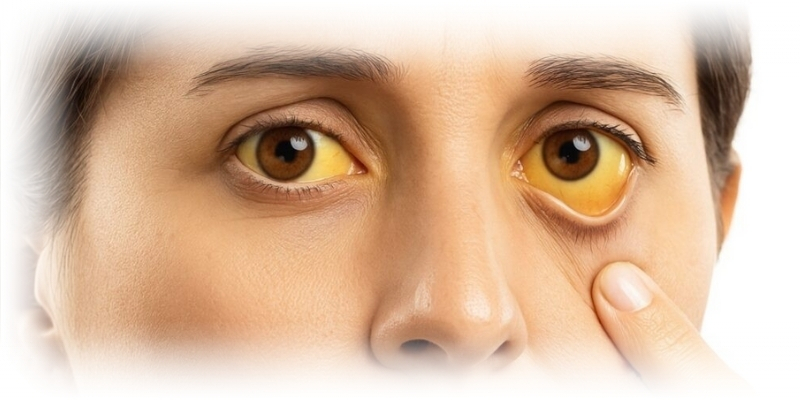
When the liver, bile ducts, or blood cells are not working properly, bilirubin starts accumulating. This causes yellowing of the eyes, skin, and sometimes dark urine. Patients seeking jaundice treatment in Bhopal often notice these changes first.
A best gastroenterologist in Bhopal focuses on finding the exact reason behind this bilirubin buildup and treating the root cause, not just the symptoms.
Common Causes of Jaundice
Jaundice can develop due to problems in different parts of the body. Most causes are related to the liver, gallbladder, or blood.
Liver-related causes include viral hepatitis, fatty liver disease, alcohol-related liver damage, and drug-induced liver injury. In these cases, the liver cannot process bilirubin efficiently, leading to jaundice and the need for proper jaundice treatment in Bhopal.
Gallbladder and bile duct problems are another common reason. Gallstones, bile duct strictures, or tumors can block bile flow. When bile cannot drain, bilirubin leaks back into the bloodstream.
Blood-related causes occur when red blood cells break down too quickly. This overloads the liver with bilirubin, even if the liver itself is healthy. An experienced best gastroenterologist in Bhopal carefully differentiates between these causes to guide treatment.
Signs & Symptoms to Watch For
Jaundice does not always appear suddenly. Early signs are often subtle and easy to ignore.
Patients may first notice yellowing of the eyes, followed by yellow skin. Dark-colored urine and pale stools are also common warning signs. Many people feel tired, lose appetite, or experience nausea.
In some cases, itching, abdominal pain, or unexplained weight loss may occur. These symptoms indicate that immediate jaundice treatment in Bhopal is necessary to prevent further liver damage.
Recognizing these signs early allows the best gastroenterologist in Bhopal to start timely evaluation and care.
How is Jaundice Diagnosed?
Diagnosing jaundice is a step-by-step process and does not rely on a single test. The doctor begins with a detailed history and physical examination.
Blood tests are usually the first step. Liver function tests (LFTs) measure bilirubin levels and assess how well the liver is working. These tests help confirm jaundice and indicate its severity.
Imaging tests like ultrasound are commonly used to look at the liver, gallbladder, and bile ducts. They help detect blockages, stones, or structural problems. In some cases, advanced tests such as CT scans or endoscopy may be advised.
Accurate diagnosis ensures targeted jaundice treatment in Bhopal, avoiding unnecessary procedures and delays.
Treatment Options for Jaundice
Treatment depends entirely on the underlying cause. Jaundice itself improves once the root problem is addressed.
For viral hepatitis or mild liver inflammation, treatment may include rest, medications, and close monitoring. Alcohol-related jaundice requires complete alcohol cessation and liver-supportive care.
If gallstones or bile duct blockages are responsible, endoscopic or surgical treatment may be needed to restore bile flow. Blood-related jaundice may require treating anemia or immune-related conditions.
A skilled best gastroenterologist in Bhopal, such as Dr Saransh Jain, ensures that jaundice treatment in Bhopal is safe, effective, and tailored to the patient’s condition and age.
Recovery, Prevention & Lifestyle Tips
Recovery from jaundice depends on the cause and how early treatment begins. Most patients recover fully with proper care.
During recovery, the liver needs rest. Eating light, home-cooked food helps reduce stress on the liver. Fatty, fried, and packaged foods should be avoided. Drinking enough water supports toxin removal.
Avoiding alcohol completely is essential, even after recovery. Regular exercise, weight control, and managing diabetes also protect liver health.
Following medical advice from a best gastroenterologist in Bhopal reduces the chances of recurrence and supports long-term recovery after jaundice treatment in Bhopal.
When Should You See a Doctor?
Medical attention should not be delayed if yellowing of eyes or skin appears. Jaundice is always a sign that needs evaluation.
Immediate consultation is necessary if jaundice is accompanied by severe abdominal pain, fever, confusion, vomiting, or rapid weight loss. These signs may indicate serious liver or bile duct disease.
Early evaluation by a best gastroenterologist in Bhopal allows timely diagnosis and effective jaundice treatment in Bhopal, preventing complications like liver failure.
Frequently Asked Questions
1. Is jaundice a serious condition?
Jaundice itself is a symptom, not a disease. Some causes are mild, while others can be serious. Early evaluation and proper jaundice treatment in Bhopal help determine severity and ensure safe recovery.
2. How long does it take to recover from jaundice?
Recovery time depends on the cause. Mild cases may improve within weeks, while liver-related conditions may take months. Guidance from the best gastroenterologist in Bhopal is important.
3. Can jaundice be treated at home?
Home care alone is not enough. Medical diagnosis is essential to identify the cause. Once evaluated, supportive care can continue at home alongside prescribed jaundice treatment in Bhopal.
4. Is jaundice contagious?
Jaundice itself is not contagious. However, some causes like viral hepatitis can spread. Proper testing and advice from a best gastroenterologist in Bhopal clarify risks.
5. Can jaundice come back after treatment?
Yes, if the underlying cause is not managed. Lifestyle changes, regular follow-up, and liver care reduce recurrence after jaundice treatment in Bhopal.
6. Who should manage jaundice—physician or specialist?
While initial evaluation may start with a general doctor, ongoing care by a best gastroenterologist in Bhopal, such as Dr Saransh Jain, ensures accurate diagnosis and complete management.